“WARSHIPS AT HAVANA”
“Their Assembling is Favorably Regarded Here.”
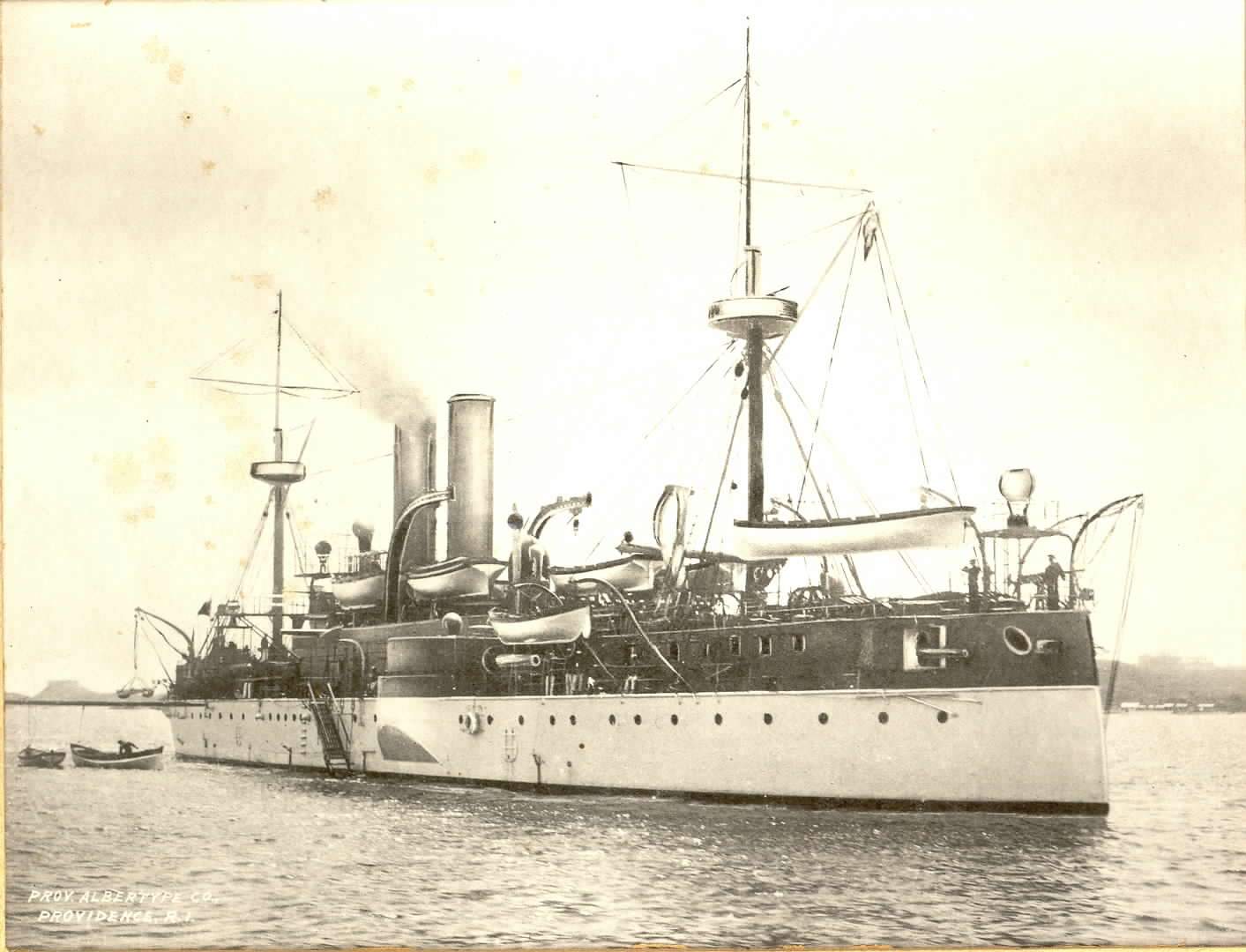 These were headlines from the Evening Star, January 26, 1898.1 The newspaper lays out the situation as relayed by Consul General Fitzhugh Lee: the United States Armored Cruiser (referred to as a battle ship) USS Maine (ACR-1) had arrived to Havana, Cuba, for a good-will port visit, and the city received them well. Lee anticipated that German, British, and French ships would soon be joining them in the Spanish city, from which he had returned observing no signs of disorder. The intent of the international force was to show the Spanish government, currently contending with Cuban nationalists, that the Maine's visit was well intended.
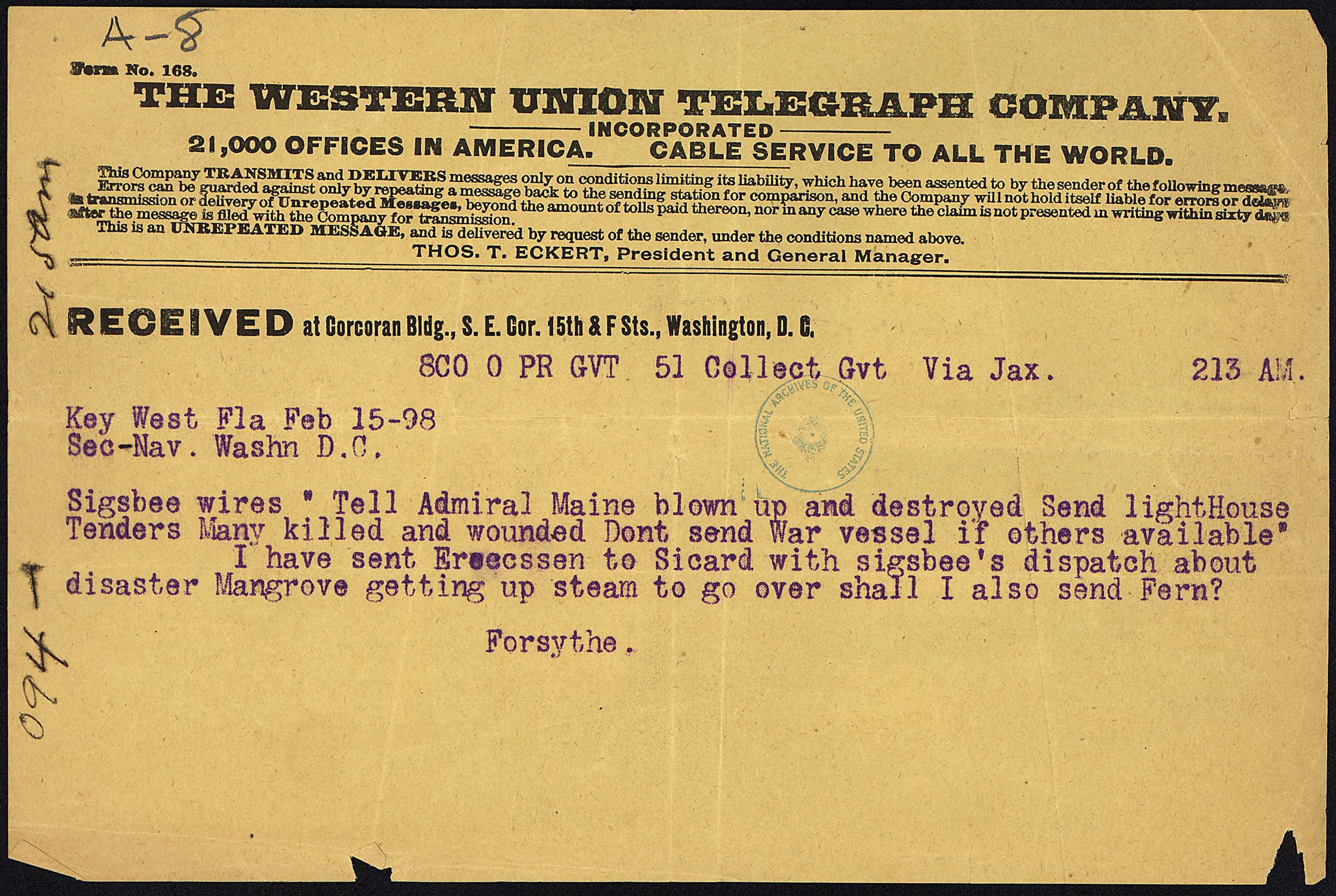 Less than a month later the Evening Star would be trying to make sense of the explosion aboard the Maine that destroyed the ship. Headlines like “The Maine Blown Up” sat next to “Officers Puzzled,” and “The Cabinet Confer: Members Discuss the News With the President” that reported the buzz of activity at the White House following the arrival of telegrams.2 Included in those were regrets from the Spanish government and assurances that they were not responsible for the explosion. War drums quickly drowned out whatever good will the Maine had intended to convey. One week after the explosion, well before official investigations were complete, newspapers began publishing telegrams and letters of support for war with Spain. In Oklahoma The Wichita Daily Eagle ran an entire column on their front page of offers to serve, requests to the governor for authorization to raise companies of troops, and pledges of armed support to the President.3 By March, Lehigh University students paraded through the town with the slogan “To hell with Spain.”4 The phrase, sometimes amended with “Remember the Maine,” morphed quickly into songs and stories (many about children) that appeared around the country.5

